The petroleum industry’s approach to workforce development and operational training has undergone significant transformation over recent decades, with simulation technology emerging as a central component of comprehensive competency development programs that address the complex challenges of modern drilling operations. Drilling Simulators have evolved from basic training tools into sophisticated systems that replicate the operational conditions, technical parameters, and safety considerations of actual drilling activities with remarkable accuracy and fidelity, providing essential platforms for developing the skilled workforce necessary for safe, efficient, and responsible operations in increasingly challenging environments characterized by technical complexity, regulatory scrutiny, economic pressure, and environmental responsibility across global energy markets and operational contexts. This evolution reflects broader technological advancements, changing industry requirements, and growing recognition of simulation’s value in developing competencies that translate directly to improved operational performance, safety outcomes, and economic results across diverse drilling environments and organizational contexts.
Seven transformative developments have particularly influenced the evolution of drilling simulation technology, each contributing to enhanced training effectiveness, expanded application possibilities, improved accessibility, and greater integration with broader operational systems and digital transformation initiatives within the petroleum industry. These developments represent significant milestones in simulation technology advancement, each addressing specific limitations of previous approaches while introducing new capabilities that expand training possibilities, improve learning outcomes, and support continuous competency development across different experience levels, technical specialties, and organizational roles within drilling operations worldwide. Understanding these developments provides valuable context for evaluating current simulation capabilities, anticipating future advancements, and making informed decisions regarding training technology investments that support organizational objectives, operational requirements, and workforce development needs in evolving energy markets and technical environments.
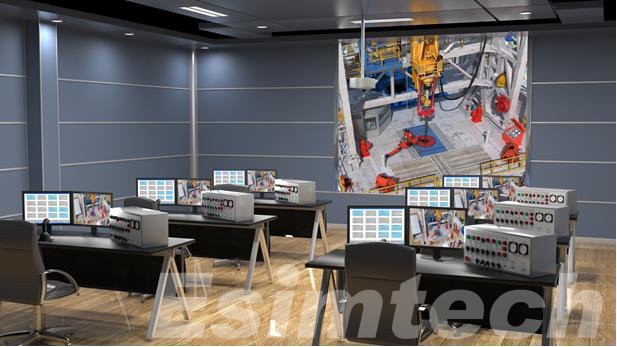
Development One: Computational Modeling Advancements
The foundation of effective drilling simulation rests upon accurate mathematical models that calculate drilling parameters, equipment responses, formation interactions, and safety considerations under various operational scenarios. Early simulation systems employed simplified models that provided basic representations of drilling physics but lacked the sophistication necessary for realistic training experiences that accurately reflected operational complexities and technical challenges. Modern Drilling Simulators incorporate advanced computational algorithms that model complex physical phenomena including fluid dynamics, rock mechanics, equipment performance, and human-machine interactions with remarkable accuracy, providing training experiences that closely replicate actual operational conditions and responses. These modeling advancements enable simulation of challenging scenarios including narrow pressure margin drilling, complex wellbore geometries, difficult formation characteristics, and emergency response situations that require precise technical understanding, appropriate operational responses, and effective decision-making under time pressure and stressful conditions characteristic of actual drilling operations in demanding environments.
Development Two: Hardware Realism Enhancement
Physical interface design represents another critical aspect of drilling simulation evolution, with hardware components progressing from basic control panels to sophisticated systems that replicate the look, feel, and operation of actual drilling equipment with increasing fidelity. Early simulation hardware often employed generic controls that provided functional training but lacked the physical realism necessary for developing muscle memory, operational intuition, and equipment familiarity essential for effective performance during actual drilling operations. Contemporary simulation systems incorporate high-fidelity hydraulic feedback mechanisms, realistic control interfaces, accurate instrumentation displays, and ergonomic workstation designs that create immersive training environments where physical interactions closely match those encountered during actual operations. This hardware realism enhances skill transfer, improves learning retention, builds operational confidence, and develops the sensory awareness necessary for effective performance in actual drilling environments where multiple physical inputs must be processed simultaneously for safe, efficient, and successful operations across different equipment types, operational scenarios, and technical configurations.
Development Three: Visual System Sophistication
Visual representation capabilities have advanced significantly from basic two-dimensional displays to sophisticated three-dimensional visualization systems that provide comprehensive views of simulated drilling environments, equipment configurations, operational parameters, and situational indicators. Early simulation visual systems offered limited graphical representations that provided basic operational feedback but lacked the detail, realism, and contextual information necessary for developing spatial awareness, procedural understanding, and situational cognition during training exercises. Modern Drilling Simulators incorporate high-resolution display technologies, realistic equipment animations, detailed environmental effects, comprehensive parameter visualization, and intuitive interface designs that enhance learning effectiveness, improve comprehension, support decision-making, and create engaging training experiences that motivate trainees and support skill development across different learning styles, experience levels, and technical backgrounds. These visual advancements enable representation of complex operational scenarios, detailed equipment interactions, realistic environmental conditions, and comprehensive situational information that supports effective training for the multifaceted challenges of modern drilling operations across diverse geographical settings, technical configurations, and operational requirements.
Development Four: Scenario Library Expansion
Training scenario development has evolved from limited exercise collections to comprehensive libraries covering diverse operational situations, technical challenges, geographical conditions, and emergency response requirements relevant to modern drilling operations worldwide. Early simulation systems typically offered basic scenarios focused on routine procedures with limited variation, complexity, or challenge levels that restricted training applicability and effectiveness for preparing personnel for the diverse situations encountered during actual operations. Contemporary simulation platforms provide extensive scenario libraries that include routine operational exercises, challenging technical situations, emergency response drills, team coordination activities, and competency assessment scenarios designed to develop specific skills, test decision-making capabilities, measure performance against standards, and support continuous improvement across different experience levels and technical specialties. These expanded scenario possibilities enable targeted training for specific operational requirements, customized learning experiences for individual development needs, progressive skill building through increasingly challenging exercises, and comprehensive competency assessment against established standards and benchmarks that ensure personnel readiness for the diverse challenges of actual drilling operations across different environments, equipment types, and technical configurations.
Development Five: Assessment Methodology Advancement
Performance evaluation approaches have progressed from basic completion tracking to sophisticated assessment systems that measure technical skills, decision-making capabilities, procedural compliance, safety awareness, and overall competency against established standards and benchmarks. Early simulation assessment typically focused on simple completion metrics that indicated whether exercises were finished but provided limited insight into performance quality, skill development, knowledge application, or competency achievement relative to operational requirements and safety standards. Modern Drilling Simulators incorporate advanced assessment tools that analyze multiple performance dimensions including technical accuracy, procedural compliance, decision quality, response timing, safety consideration, communication effectiveness, and teamwork coordination to provide comprehensive evaluation of trainee capabilities, identify development needs, measure improvement over time, and validate competency achievement against organizational standards, regulatory requirements, and industry best practices. These assessment advancements support evidence-based training decisions, targeted development interventions, continuous improvement tracking, and competency validation that ensures personnel readiness for actual operations while providing objective data for training program evaluation, resource allocation decisions, and organizational performance management across different operational contexts and technical requirements.
Development Six: Integration Capability Enhancement
System connectivity and interoperability have expanded significantly from standalone training tools to integrated components of broader operational ecosystems that connect with other systems, databases, platforms, and technologies across organizations and operations. Early simulation systems typically operated as isolated training devices with limited connectivity to other systems, restricting data exchange, coordination possibilities, and integration benefits that could enhance training effectiveness and operational relevance. Contemporary simulation platforms offer extensive integration capabilities including connection with learning management systems for training administration, operational databases for scenario customization, assessment tools for competency tracking, virtual reality systems for enhanced immersion, cloud platforms for distributed training, and digital twin technologies for realistic scenario development based on actual operational data and equipment configurations. These integration possibilities enable comprehensive training ecosystems that support continuous competency development, personalized learning experiences, realistic scenario creation, performance tracking across systems, and alignment with broader digital transformation initiatives that enhance operational excellence, safety performance, and economic outcomes across organizations and operations worldwide.
Development Seven: Accessibility and Scalability Improvement
System deployment and utilization possibilities have advanced from fixed installation requirements to flexible options that accommodate different organizational contexts, geographical locations, budgetary constraints, and technical requirements across diverse implementation scenarios. Early simulation systems typically required dedicated facilities, specialized infrastructure, significant capital investment, and technical expertise that limited accessibility, scalability, and adaptability for organizations with varying resources, requirements, and constraints. Modern Drilling Simulators offer deployment flexibility including fixed installations for dedicated training centers, mobile configurations for field-based training, virtual platforms for remote access, cloud-based solutions for distributed utilization, and modular designs for incremental implementation that accommodate different organizational needs, operational schedules, geographical distributions, and budgetary considerations while maintaining training effectiveness, technical standards, and competency development objectives. These accessibility and scalability improvements expand simulation training possibilities across different organizational sizes, geographical regions, operational contexts, and technical requirements, supporting broader adoption, more effective utilization, and greater impact on workforce development, operational safety, and organizational performance across the global petroleum industry and evolving energy landscape.
Looking forward, the continued evolution of drilling simulation technology appears likely to accelerate with emerging technological capabilities, changing industry requirements, and growing recognition of simulation’s value in developing the skilled workforce necessary for safe, efficient, and responsible operations in increasingly challenging energy environments. Artificial intelligence applications, virtual reality integration, cloud computing capabilities, data analytics tools, and digital twin technologies represent promising directions for future advancement that could further enhance training effectiveness, expand application possibilities, improve accessibility, and increase integration with broader operational systems and digital transformation initiatives. These technological developments, combined with strategic vision, operational commitment, and collaborative effort across industry, academia, and technology sectors, can position drilling simulation to play an increasingly central role in shaping the future of petroleum workforce development, operational excellence, safety leadership, and sustainable success in an evolving global energy landscape characterized by technical complexity, economic pressure, environmental responsibility, and stakeholder expectations across diverse regions, markets, and operational contexts where human capital, technological capability, and operational competence significantly influence outcomes, opportunities, and responsibilities for organizations and societies worldwide.