
Author: Millermarker

The Vital Role of Drainage Cleansing in Home MaintenanceThe Vital Role of Drainage Cleansing in Home Maintenance

When it comes to maintaining a home, drainage systems are often overlooked until a problem arises. However, keeping your drains clean and functioning properly is essential for the health and longevity of your plumbing system. Drainage cleansing not only prevents clogs and blockages, but it also ensures the efficient removal of wastewater, protects your property from water damage, and enhances indoor air quality. In this article, we’ll explore the importance of drainage cleansing, the consequences of neglecting your drains, and the best methods for keeping your plumbing system in top shape.


Why Drainage Cleansing is So Important

  1. Preventing Expensive Plumbing Issues

    One of the most common consequences of a clogged drain is a complete blockage, which can cause water to back up into sinks, bathtubs, or even flood your home. When drains become completely blocked, the situation typically requires professional plumbing services, which can be costly. Regular drainage cleansing is an effective preventive measure to avoid these serious blockages and the hefty repair bills that come with them.

  2. Minimizing the Risk of Water Damage

    Water damage is one of the most expensive types of damage a homeowner can face. When drainage systems are clogged, water may pool in unwanted areas, such as under your home or around the foundation, potentially compromising structural integrity. Water damage can also affect your floors, walls, and furniture. By ensuring your drainage system is clean and free-flowing, you’re reducing the risk of water pooling, leaks, and other forms of damage.

  3. Protecting Your Home’s Foundation

    A key aspect of a functional drainage system is ensuring that water is directed away from your home’s foundation. If your drains are clogged or not working properly, water can accumulate around the foundation, leading to soil erosion and, over time, structural damage. By performing regular drainage cleansing, you can help protect your property’s foundation and avoid costly repairs to structural issues.

  4. Preventing Odors and Health Hazards

    Over time, clogs can cause organic materials such as food scraps, soap, hair, and grease to break down within the pipes. This decomposition process can create unpleasant odors that can seep into your home, making it smell musty or even rotten. Furthermore, the bacteria and mold that thrive in stagnant water can lead to health issues, especially for those with respiratory conditions like asthma. Drainage cleansing helps eliminate foul smells and reduces the risks posed by bacteria and mold growth, contributing to a healthier home environment.

  5. Maintaining Proper Water Flow

    Slow-draining sinks, tubs, or showers are often early signs that your pipes are beginning to clog. The more time that passes with a slow drain, the harder it becomes to address the issue. Regular drainage cleansing ensures water flows through your pipes quickly and without obstruction, helping to avoid the frustration of slow 浴室排水孔臭味 and preventing larger plumbing issues from arising.


Common Causes of Drain Clogs

Understanding the causes of clogs can help you take steps to avoid them in the future. Here are some of the most common culprits of drain blockages:

  1. Grease and Oil

    Grease and oils from cooking can solidify and accumulate within your pipes over time. Many homeowners unknowingly pour cooking oils, butter, or fat down the sink, causing these substances to congeal and stick to the inner walls of the pipes. This creates a sticky buildup that can trap food and other debris, eventually leading to a complete clog.

  2. Hair and Soap Scum

    In bathroom drains, hair is one of the leading causes of blockages. When combined with soap scum (a mix of soap and minerals found in hard water), hair can form stubborn clumps that reduce water flow and create blockages. Regular cleaning and preventive measures, like using drain catchers, can help minimize hair buildup in bathroom drains.

  3. Food Scraps and Debris

    Kitchen drains are often clogged by food waste such as vegetable peels, coffee grounds, pasta, and other small debris. While garbage disposals can help break down some food scraps, not all items should be put down the drain. Even small amounts of food waste can accumulate over time and form blockages.

  4. Foreign Objects

    In bathrooms, toilets are sometimes clogged by items that shouldn’t be flushed, such as wet wipes, sanitary products, and cotton balls. These objects do not break down easily in water and can cause serious blockages in pipes if flushed regularly. It’s important to be mindful of what gets flushed to avoid unnecessary plumbing problems.

  5. Tree Roots

    Tree roots are often an unseen enemy of underground drainage systems. As roots search for water, they can infiltrate cracked or poorly sealed pipes, causing blockages and sometimes even pipe breakages. Root intrusion can be tricky to detect without professional help, but it’s a common issue in older homes or properties with mature trees.


Methods of Drainage Cleansing

Regular drainage cleansing can be done using several methods, depending on the severity of the problem. Here are some common techniques:

  1. Plumbing Snake (Drain Auger)

    A plumbing snake, or drain auger, is a flexible tool that plumbers use to break through and remove clogs. It works by being fed into the drain and rotated to dislodge blockages. For minor clogs, this tool is effective and can often be used by homeowners for DIY drain cleaning.

  2. Hydro-Jetting

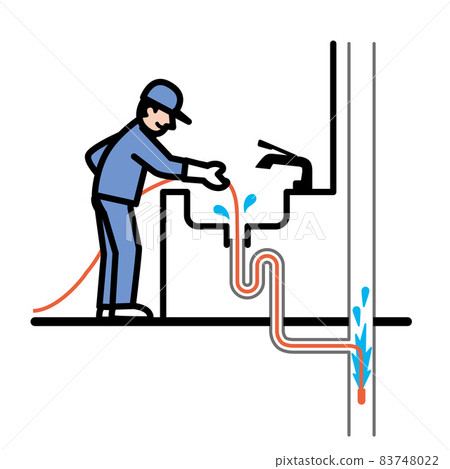
    Hydro-jetting is a powerful and effective way to clean pipes. It involves using high-pressure water streams to clear away stubborn clogs, grease buildup, and tree roots. Hydro-jetting is best left to professionals because of the force involved, but it’s one of the most thorough methods of drain cleansing available.

  3. Enzyme Drain Cleaners

    Enzyme-based cleaners are a gentler, eco-friendly option for routine drain maintenance. These cleaners contain natural enzymes that break down organic matter, such as food particles and grease, without damaging your pipes. Enzyme cleaners are a safer alternative to harsh chemical drain cleaners, which can cause long-term damage to your plumbing.

  4. Chemical Drain Cleaners

    While chemical cleaners are available for clearing blockages, they should be used with caution. These products often contain harsh chemicals that can corrode pipes over time, especially in older plumbing systems. If you do use chemical cleaners, make sure to follow the manufacturer’s instructions and use them sparingly.

  5. Camera Inspection and Cleaning

    In some cases, professional plumbers use a small camera attached to a flexible cable to inspect the inside of pipes. This method, known as a CCTV drain inspection, allows plumbers to detect issues like blockages, cracks, or tree root intrusion that might not be visible from the outside. Once the problem is identified, the plumber can use appropriate methods, such as hydro-jetting or snaking, to resolve it.


Preventative Maintenance for Healthy Drains

Taking preventive measures can help keep your drains in good condition and reduce the frequency of drainage problems. Here are some tips:

  1. Don’t Pour Grease Down the Sink

    Always dispose of grease and cooking oils in the trash instead of pouring them down the drain. Consider using a grease trap to capture excess oils before they enter your plumbing.

  2. Use Drain Screens

    Installing mesh screens over your drains, especially in the kitchen and bathroom, can catch food scraps, hair, and other debris before they enter your pipes. Make sure to clean these screens regularly to prevent blockages from forming.

  3. Be Mindful of What You Flush

    Only flush toilet paper and human waste. Never flush items like wet wipes, feminine hygiene products, or paper towels, as these can cause serious blockages.

  4. Regularly Clean Your Drains

    Even if you don’t have noticeable blockages, regularly cleaning your drains with a natural cleaner (such as a vinegar and baking soda mixture) can help prevent buildup and keep things flowing smoothly.

  5. Inspect and Maintain Outdoor Drains

    Ensure that gutters, downspouts, and outdoor drainage systems are clear of leaves and debris. Clean them at least twice a year, particularly in the fall, to avoid clogs and ensure that rainwater flows away from your home’s foundation.


Conclusion

Drainage cleansing is an essential part of maintaining a healthy plumbing system. Regular cleaning not only prevents expensive plumbing issues and water damage but also ensures your home remains safe, hygienic, and free from unpleasant odors. By understanding the causes of drainage problems and implementing preventive maintenance, you can enjoy a smoothly functioning drainage system that protects both your property and your health. Whether you choose to address issues yourself with tools like a plumbing snake or seek professional services for more severe blockages, keeping your drains clean is a vital aspect of homeownership.
Chinese Medicine: A Comprehensive Approach to Health and HealingChinese Medicine: A Comprehensive Approach to Health and Healing

For over two millennia, Chinese medicine has been a cornerstone of healthcare in China and many other parts of the world. It is a rich and profound system that incorporates philosophy, natural remedies, and an intimate understanding of the body and mind. Chinese medicine isn’t just a set of practices for treating illness, but a lifestyle aimed at promoting balance and harmony in all aspects of life. In today’s world, as many people search for alternative or complementary healing systems, Chinese medicine offers a holistic approach that resonates with those seeking natural ways to address their health concerns. This article delves into the core philosophies, practices, and modern relevance of Chinese medicine.

The Philosophical Foundations of Chinese Medicine

Chinese medicine is deeply rooted in the ancient philosophies of Taoism and Confucianism, which emphasize the interconnectedness of nature, the body, and the universe. The key philosophies that guide Chinese medicine include the concept of Qi (energy), the balance of Yin and Yang, and the Five Elements theory.

1. Qi: The Vital Energy of Life

At the heart of Chinese medicine is the concept of Qi (pronounced "chee"), which is considered the fundamental life force or energy that flows through the body and the universe. Qi is responsible for all physiological activities, and its flow governs physical and mental health. In Chinese medicine, illness arises when Qi is blocked, deficient, or stagnant. Restoring the smooth flow of Qi is central to maintaining health and healing.

The body has a network of energy pathways known as meridians, and these pathways are responsible for transporting Qi throughout the body. Acupuncture, acupressure, and other treatments aim to regulate and harmonize the flow of Qi, addressing blockages and imbalances in the system.

2. Yin and Yang: The Dynamic Balance

The concept of Yin and Yang represents two opposing yet complementary forces that exist in everything—inside the body and in the environment. Yin is associated with qualities such as cold, rest, and nourishment, while Yang is linked to heat, activity, and movement. In a healthy body, Yin and Yang are balanced; when they become imbalanced, illness occurs.

For example, too much Yang can lead to heat-related symptoms like inflammation, fever, or irritability, while too much Yin can manifest as fatigue, cold extremities, and mental sluggishness. Chinese medicine treatments aim to restore balance between Yin and Yang, ensuring that neither force dominates the body’s natural state.

3. The Five Elements: A Framework for Understanding Health

The Five Elements theory is another cornerstone of Chinese medicine. These elements—Wood, Fire, Earth, Metal, and Water—are believed to correspond not only to different organs in the body but also to various physiological functions and emotional states. Each element is interconnected, and the balance between them determines health.

  • Wood corresponds to the Liver and is associated with the emotion of anger.
  • Fire corresponds to the Heart and is linked to joy.
  • Earth corresponds to the Spleen and is connected with worry.
  • Metal corresponds to the Lungs and is associated with grief.
  • Water corresponds to the Kidneys and is linked to fear.

Imbalances within any of the Five Elements can lead to both physical and emotional disharmony. Chinese medicine seeks to identify and correct these imbalances to restore overall health.

Key Practices in Chinese Medicine

Chinese medicine uses a wide range of therapies to restore balance and address health concerns. These treatments are often personalized, as each individual’s condition and constitution are unique. Below are some of the key therapies in Chinese medicine:

1. Acupuncture: Restoring Qi Flow

Acupuncture is one of the most well-known practices in Chinese medicine. It involves inserting very thin needles at specific points on the body, known as acupoints, which correspond to meridians and organs in the body. These points are carefully chosen based on the diagnosis of the individual's condition.

The goal of acupuncture is to stimulate the flow of Qi, improve blood circulation, and relieve blockages or stagnation in the body. This method has been used to treat a wide variety of conditions, including chronic pain, stress, digestive issues, hormonal imbalances, and mental health concerns like anxiety and depression.

Acupuncture has gained worldwide recognition for its effectiveness in pain management, with numerous studies supporting its ability to reduce inflammation, promote healing, and improve general health.

2. Herbal Medicine: Natural Remedies for Restoration

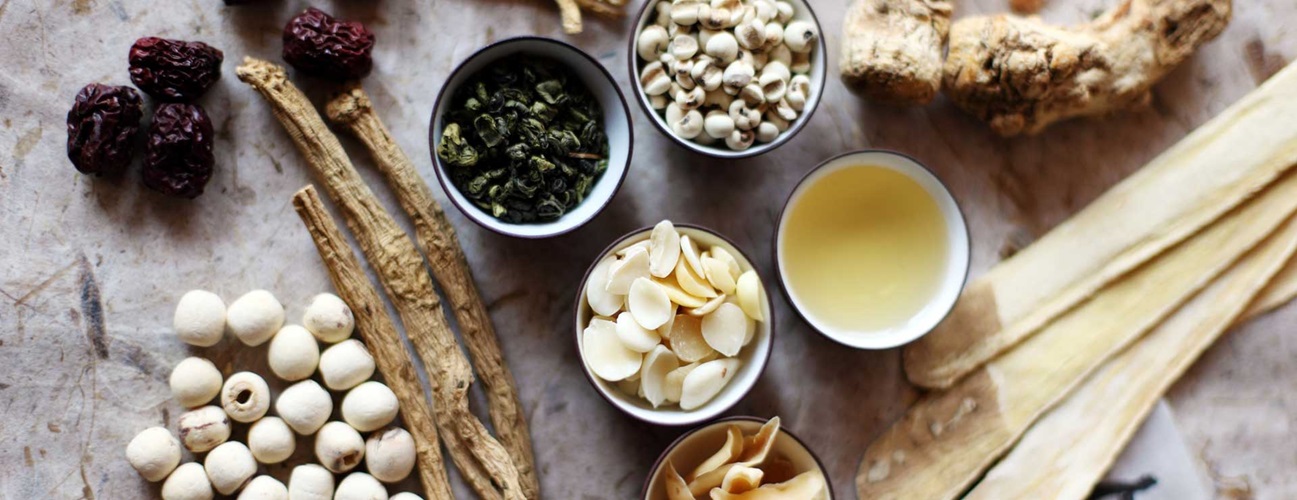
Chinese herbal medicine is one of the most ancient and widely practiced branches of Chinese medicine. Herbs are selected based on the individual’s unique condition and constitutional type. Unlike Western pharmaceutical drugs, Chinese herbal medicine often uses complex combinations of herbs, which work synergistically to address a variety of symptoms and root causes of illness.

Some commonly used Chinese herbs include:

  • Ginseng: Known for its ability to boost energy, strengthen the immune system, and reduce fatigue.
  • Astragalus: Often used to enhance the body's resistance to illness and support immune function.
  • Dong Quai: A powerful herb often used in women’s health, particularly for regulating menstrual cycles.
  • Licorice Root: Used to harmonize the actions of other herbs and strengthen digestion.

Herbal medicine is commonly used to treat chronic illnesses, boost immunity, improve digestion, and restore vitality. The benefits of Chinese herbal 中環中醫 are increasingly being recognized in the West as more people seek natural, non-pharmaceutical options for health.

3. Cupping Therapy: Releasing Stagnation

Cupping therapy is another popular treatment in Chinese medicine. It involves placing glass, bamboo, or silicone cups on the skin and creating suction, which pulls the skin and underlying tissue into the cup. This suction is believed to help release stagnation in the Qi and blood, improve circulation, and relieve muscle tension.

Cupping is often used to treat musculoskeletal pain, respiratory issues, and even digestive problems. The distinctive marks left by cupping are often mistaken for bruises, but they typically fade within a few days and do not cause any long-term harm.

Cupping has gained significant popularity in recent years, particularly among athletes who use it to speed up recovery from muscle soreness or injuries.

4. Moxibustion: Warming the Body to Heal

Moxibustion is a therapeutic technique that involves burning moxa, a dried herb made from mugwort, near specific acupuncture points on the body. The heat from moxibustion is believed to help invigorate Qi, expel cold from the body, and promote healing.

Moxibustion is often used in cases where cold or deficiency is present in the body, such as chronic pain, digestive issues, or low energy. It can be applied in conjunction with acupuncture or other treatments for enhanced therapeutic effects.

5. Tai Chi and Qigong: Cultivating Health and Vitality

Tai Chi and Qigong are mind-body practices that combine physical movement, breath control, and meditation to cultivate and balance Qi. These gentle exercises promote relaxation, improve flexibility, reduce stress, and increase energy levels.

  • Tai Chi: Often referred to as "meditation in motion," Tai Chi is a martial art that focuses on slow, fluid movements and deep breathing. It has been shown to enhance balance, improve cardiovascular health, and reduce the risk of falls in older adults.
  • Qigong: Similar to Tai Chi but with simpler movements, Qigong is a practice designed to cultivate and circulate Qi throughout the body. It is often used to promote overall health and longevity, improve mental clarity, and alleviate stress.

Both practices are beneficial for maintaining long-term health and preventing disease, and they have gained widespread popularity around the world for their ability to improve physical and mental well-being.

The Relevance of Chinese Medicine Today

While Chinese medicine is centuries old, its practices continue to be relevant and effective in today’s world. The modern lifestyle, with its emphasis on fast-paced work schedules, stress, poor diet, and lack of physical activity, has created a demand for holistic approaches to health that go beyond the treatment of symptoms. Chinese medicine, with its emphasis on prevention, balance, and harmony, offers an invaluable resource for addressing modern health challenges.

1. Chronic Pain and Inflammation

Chinese medicine has proven highly effective in treating chronic pain, inflammation, and musculoskeletal issues. Practices such as acupuncture, cupping, and herbal remedies have provided relief for conditions like arthritis, fibromyalgia, sciatica, and back pain. Acupuncture, in particular, has been shown to stimulate the release of endorphins, the body’s natural painkillers, helping to reduce pain and inflammation without the need for pharmaceutical drugs.

2. Mental Health and Stress Management

In today’s stressful world, mental health challenges such as anxiety, depression, and insomnia are becoming increasingly common. Chinese medicine addresses these conditions by balancing the body’s energy and regulating emotional states. Acupuncture, herbal medicine, and practices like Tai Chi and Qigong are known to help alleviate stress, improve mood, and promote relaxation. These natural treatments provide an alternative to pharmaceutical interventions for individuals seeking to address mental health issues without the side effects of traditional medications.

2. Yin and Yang: The Dynamic Balance

0

Chinese medicine is rooted in the idea of preventive care—helping the body maintain balance before illness occurs. Herbs such as astragalus and ginseng are commonly used to boost the immune system and increase resistance to infection. Regular acupuncture treatments and Tai Chi practice can also help keep the body's energy flowing smoothly, strengthening its defenses and preventing disease.

Conclusion: A Holistic Approach for Modern Wellness

Chinese medicine offers a holistic, natural, and effective way to restore health, enhance vitality, and promote well-being. By focusing on balance, prevention, and the interconnectedness of body, mind, and spirit, Chinese medicine provides a timeless approach to healing that continues to resonate in today’s fast-paced world. Whether used to treat specific conditions, manage chronic illness, or maintain overall wellness, Chinese medicine offers valuable tools for creating a life of harmony and health. As more individuals seek integrative, holistic healthcare, the wisdom of Chinese medicine stands as a powerful and enduring resource for modern healing.

Event Direction: How To Produce Events That Truly InspireEvent Direction: How To Produce Events That Truly Inspire


Event management is the work of designing and execution events that leave a stable impression on attendees. It is not just about logistics or transcription services; it is about crafting an see that aligns with the s resolve and goals. Whether it is a organized conference, a wedding, a production set in motion, or a discernment fete, knowing how to wangle every detail ensures that the 廣告宣傳車 is impactful, unlined, and unforgettable.

What Event Management Really Means

Event direction involves overseeing every view of an to assure that it achieves its objectives. This includes preparation budgets, coordinating vendors, programing activities, and supervising stave while focus on the meeter go through. The goal is to an event that fulfills the node s visual sensation and exceeds expectations. Professionals in this area are skilled to foresee challenges and put through solutions that warrant the succeeder of the event.

How to Plan and Execute Events Successfully

Effective provision is the of event direction. Event managers first place what the guest wants to accomplish, whether it is promoting a mar, celebrating a milestone, or educating participants. With these objectives in mind, they produce a comp plan that covers locus natural selection, catering, amusement, programme design, and marketing. Preparing for potential challenges with contingency plans ensures that the issue smoothly and achieves its deliberate bear on.

The Role of Coordination

Coordination is requisite for turn a plan into a self-made . Event managers must insure that all team members, vendors, and stakeholders work together with efficiency. Clear communication and supervising help exert the schedule and ascertain quality in every panorama of the . Proper coordination guarantees that attendees enjoy a unlined and engaging undergo, and organizers can manage the event confidently and professionally.

Skills That Make Event Managers Effective

Successful event managers unite creativity, organisation, and adaptability. They must pay tending to , finagle triplex tasks simultaneously, and pass on effectively with clients, vendors, and stave. Creative intellection allows them to design experiences that place upright out, while flexibility ensures they can react to unexpected challenges. Understanding how to poise these skills is indispensable for delivering events that are both smooth over and unforgettable.

What Makes an Event Memorable

Several elements contribute to an unforgettable event. Clear objectives ply direction and purpose, while care to ensures a smooth experience. Engaging content, interactive activities, and serious plan attendees matter to and make the event gratifying. Planning for unplanned issues allows the event to continue without intermission, ensuring that the hearing leaves with a positive impression.

How Technology is Shaping Modern Events

Technology plays a considerable role in nowadays s direction. Online enrollment, live streaming, practical participation, and social media merchandising allow managers to strain wider audiences and heighten attendee involution. Real-time analytics help pass over performance and meliorate decision-making during the event. Knowing how to leverage these tools in effect enables event managers to innovative and efficient events that meet Bodoni font expectations.

Conclusion

Event management is a moral force and gratifying domain that combines strategy, creativeness, and hairsplitting execution. Knowing how to plan, organise, and finagle an event, understanding what the client and audience expect, and profitable aid to the inside information are all material for success. By integrating professional skills with modern engineering science, event managers can produce events that are not only well-organized but also memorable, going away a lasting positive affect on all participants.

Elderly Care Services: Tailored Solutions for Every NeedElderly Care Services: Tailored Solutions for Every Need

As the population of elderly individuals continues to grow, the need for specialized elderly care services has become more important than ever. At ElderlyDB.hk, we understand the unique challenges families face when it comes to finding appropriate care for their aging loved ones. That’s why we are committed to offering a wide range of resources and solutions to ensure that each elderly person receives the highest level of care and attention.

Whether you're looking for residential care in an elderly home, home end of life care service services, or medical assistance, ElderlyDB.hk provides detailed information and personalized recommendations to suit the individual needs of your loved ones. Our platform includes an extensive database of elderly care facilities across Hong Kong, along with important details such as service offerings, pricing, and reviews, making it easier for families to make informed decisions.

By providing transparent and accessible information, we aim to support families in making the best choices for their elderly relatives. ElderlyDB.hk is not just a directory; it’s a reliable partner in ensuring that elderly individuals receive the quality of life they deserve in their later years. Whether they require 24-hour care or occasional assistance, we have the resources to connect families with the right services.

The Fascinating World of Adult Toys: A Comprehensive GuideThe Fascinating World of Adult Toys: A Comprehensive Guide

The adult toy industry has undergone a remarkable transformation over the years. No longer shrouded in secrecy, sex toys are now widely accepted as tools for pleasure, intimacy, and sexual wellness. With advancements in technology, inclusivity, and consumer awareness, the market continues to expand, offering an incredible range of products catering to various needs and desires.

This article explores the history, benefits, types, and future trends of adult toys, providing a detailed look into this fascinating industry.

A Brief History of Adult Toys

1. Ancient Civilizations and Pleasure Artifacts

Historical records indicate that pleasure tools were used as far back as 30,000 years ago. Archaeological discoveries of phallic-shaped objects in ancient Greece, Rome, and China suggest that people have always sought ways to enhance sexual pleasure.

2. The Victorian Era and Medical Vibrators

During the 19th century, vibrators were developed as medical devices to treat “female hysteria.” Although originally intended for therapeutic use, they soon became popular for their pleasurable effects.

3. The Sexual Revolution and Commercial Boom

The 1960s and 70s marked a turning point, with increased sexual liberation and acceptance of pleasure products. Manufacturers started producing high-quality silicone toys, leading to a boom in the industry.

4. The Digital Age and Smart Technology

Today, adult toys are no longer limited to simple manual devices. With AI integration, app-controlled functionalities, and virtual reality (VR) compatibility, the industry has embraced technology like never before.

The Benefits of Adult Toys

1. Enhancing Solo and Partnered Intimacy

Adult toys allow individuals to explore their desires and enhance intimacy with partners. They introduce variety and excitement into relationships, fostering deeper connections.

2. Improving Sexual Wellness

Kegel exercisers strengthen pelvic floor muscles, prostate massagers promote prostate health, and regular orgasms help reduce stress and improve sleep quality.

3. Encouraging Self-Exploration

Using sex 男士保健產品 can help individuals discover their bodies, understand their preferences, and build confidence in expressing their desires.

4. Aiding in Long-Distance Relationships

With remote-controlled and Bluetooth-enabled devices, couples in long-distance relationships can maintain intimacy regardless of location.

Types of Adult Toys

1. Vibrators

One of the most popular types, vibrators come in various styles, including bullet, wand, and rabbit vibrators, each catering to different stimulation preferences.

2. Dildos

Dildos provide penetration without vibration and come in various shapes, sizes, and materials, including silicone, glass, and stainless steel.

2. The Victorian Era and Medical Vibrators

0

These include masturbation sleeves, strokers, and automated toys designed to enhance male pleasure.

2. The Victorian Era and Medical Vibrators

1

From butt plugs to prostate massagers, anal toys cater to individuals exploring new forms of stimulation.

2. The Victorian Era and Medical Vibrators

2

Handcuffs, blindfolds, whips, and other sensory play accessories allow couples to explore power dynamics and enhance pleasure.

2. The Victorian Era and Medical Vibrators

3

App-controlled, VR-compatible, and AI-driven sex toys enable users to personalize their experiences and enjoy long-distance intimacy.

Choosing the Right Adult Toy

2. The Victorian Era and Medical Vibrators

4

Decide whether you want internal, external, or dual stimulation. Consider features like vibration intensity, size, and shape.

2. The Victorian Era and Medical Vibrators

5

Always opt for body-safe materials like medical-grade silicone, glass, or stainless steel. Avoid phthalates and toxic substances.

2. The Victorian Era and Medical Vibrators

6

If privacy is a concern, choose whisper-quiet devices designed for discretion.

2. The Victorian Era and Medical Vibrators

7

Reading reviews and purchasing from reputable brands ensures quality and safety.

2. The Victorian Era and Medical Vibrators

8

Use water-based lubricants for silicone toys and silicone-based lubricants for glass or metal toys.

Maintenance and Hygiene

2. The Victorian Era and Medical Vibrators

9

Clean toys before and after use with mild soap and warm water or a specialized toy cleaner to prevent bacteria buildup.

3. The Sexual Revolution and Commercial Boom

0

Store toys in a clean, dry place to maintain hygiene and longevity.

3. The Sexual Revolution and Commercial Boom

1

For rechargeable toys, ensure they are fully charged before use and stored properly to prevent battery damage.

The Future of the Adult Toy Industry

3. The Sexual Revolution and Commercial Boom

2

Artificial intelligence is enabling toys to adapt to user preferences, creating a personalized pleasure experience.

3. The Sexual Revolution and Commercial Boom

3

Brands are increasingly focusing on biodegradable materials, rechargeable batteries, and eco-conscious packaging.

3. The Sexual Revolution and Commercial Boom

4

Manufacturers are designing products for people of all genders, abilities, and orientations, making pleasure accessible to all.

3. The Sexual Revolution and Commercial Boom

5

VR-compatible toys and haptic feedback technology are revolutionizing digital intimacy, creating immersive pleasure experiences.

Conclusion

The adult toy industry has evolved significantly, shifting from secrecy to mainstream acceptance. These products offer numerous benefits, including enhanced pleasure, improved sexual wellness, and greater intimacy for individuals and couples alike.

As the industry continues to innovate, we can expect even more sophisticated, inclusive, and sustainable options. Whether you’re exploring for the first time or looking to upgrade your collection, the world of adult toys offers something for everyone.