Author: Millermarker

The History and Evolution of PrintingThe History and Evolution of Printing

Printing has played a crucial role in human civilization, enabling the spread of knowledge, culture, and innovation. From early hand-copied manuscripts to the digital printing revolution, the evolution of printing technology has shaped the way information is shared across the world.

Early Printing Methods

Before mechanical printing, books and manuscripts were copied by hand, making them expensive and time-consuming to produce. The invention of early printing techniques changed this scenario dramatically.

1. Woodblock Printing (Circa 200 AD)

Originating in China, woodblock printing involved carving text and images onto wooden blocks, inking them, and pressing them onto paper.

Significance:

  • First large-scale 騎馬釘 method

  • Used for religious texts and artworks

  • Spread to Korea and Japan

2. Movable Type Printing (1040 AD)

Invented by Bi Sheng in China, movable type printing used individual characters made of clay, which could be rearranged for different texts.

Advantages:

  • Faster than woodblock printing

  • Allowed text modifications without carving new blocks

  • Paved the way for modern printing techniques

The Printing Revolution: Gutenberg’s Press (15th Century)

One of the most transformative moments in printing history was the invention of the Gutenberg printing press in the mid-1400s by Johannes Gutenberg in Germany.

Key Features:

  • Utilized metal movable type

  • Enabled mass production of books

  • Led to increased literacy rates and knowledge dissemination

The first major book printed using this method was the Gutenberg Bible, which revolutionized the accessibility of religious and educational texts.

Industrial Advancements in Printing

With the Industrial Revolution, printing technology underwent significant improvements, leading to higher efficiency and larger-scale production.

1. Steam-Powered Printing Press (19th Century)

Developed in the early 1800s, steam-powered presses could print thousands of copies per hour, significantly boosting newspaper and book production.

2. Lithography (Late 18th Century)

Lithography, invented by Alois Senefelder, enabled high-quality image printing by using oil and water repulsion techniques.

Impact:

  • Revolutionized commercial printing

  • Led to color printing advancements

  • Basis for modern offset printing

Modern Printing Technologies

With the 20th and 21st centuries came digital innovations that transformed the industry yet again.

1. Offset Printing

Still widely used today, offset printing transfers ink from a plate to a rubber blanket before applying it to paper, ensuring high-quality results.

2. Digital Printing

Digital printing eliminates the need for printing plates, offering fast and cost-effective solutions for short print runs.

3. 3D Printing

A groundbreaking development, 3D printing allows objects to be created layer by layer using digital models, with applications in medicine, manufacturing, and beyond.

Conclusion

From ancient woodblocks to high-speed digital presses, printing has constantly evolved to meet the needs of society. The future of printing continues to be shaped by technological advancements, ensuring that information remains accessible in both physical and digital forms.

Exploring Erotic Massage: A Journey into Sensual WellnessExploring Erotic Massage: A Journey into Sensual Wellness

Erotic massage is an art that has been practiced for centuries across various cultures, blending elements of sensual touch, therapeutic techniques, and deep emotional connection. This practice, when done intentionally and with care, offers much more than just physical pleasure; it can create a profound sense of relaxation, intimacy, and sexual awakening. Whether it’s for enhancing connection with a partner or exploring personal sensuality, erotic massage can be an enlightening and enriching experience.

What is Erotic Massage?

Erotic massage is a form of touch that involves deliberate strokes and pressure applied to the body, with a focus on stimulating both sensual pleasure and emotional connection. Unlike traditional therapeutic massages that aim to relieve tension or address muscular pain, erotic massage focuses on awakening sensual energy, increasing pleasure, and nurturing intimacy.

The difference between an erotic massage and other types of massage lies in the intention behind the touch. While therapeutic massages focus on muscle relief, an sensual massage is designed to engage the whole body in a sensual experience that may or may not lead to sexual climax. It is a practice that can help awaken a deeper sense of sexual energy and connection between individuals.

The Healing Power of Erotic Massage

Beyond the obvious physical pleasure, erotic massage has several emotional and psychological benefits. It can:

  • Promote Relaxation: The act of receiving an erotic massage can relax the nervous system, reduce stress, and help release built-up tension in the body. Through slow and mindful touch, the massage creates a soothing effect that helps ease the mind and body.

  • Strengthen Emotional Intimacy: Erotic massage involves connecting with a partner on an emotional level. As both individuals explore each other’s bodies, communication and trust grow. This shared vulnerability fosters intimacy and emotional bonding.

  • Stimulate Sensory Awareness: The skin is the body’s largest sensory organ, and erotic massage helps heighten sensitivity to touch, which can amplify feelings of pleasure. By focusing on areas that are often neglected, such as the back, neck, and inner thighs, it can lead to a more awakened and pleasurable physical experience.

  • Enhance Sexual Satisfaction: Erotic massage increases blood flow and circulation, particularly in erogenous zones, leading to heightened arousal. By taking the time to explore these sensitive areas, erotic massage can help set the stage for more fulfilling sexual encounters.

Key Techniques in Erotic Massage

Erotic massage blends various techniques to stimulate sensual pleasure and relaxation. Here are some common methods:

  • Gentle, Flowing Strokes: These slow, sweeping movements promote relaxation and help engage the body’s sense of touch. Often performed with oil or lotion, these strokes glide over the skin to create a feeling of warmth and comfort.

  • Kneading and Circles: While traditional massage often involves deep pressure for muscle relief, in erotic massage, kneading is used with the intent of stimulating sensitive skin, increasing circulation, and awakening sensuality.

  • Feather-Like Touch: A light, almost tickling touch is used to heighten sensitivity, especially around more sensitive areas of the body like the inner arms, back of the neck, and thighs. These delicate movements enhance sensory experiences and are often incredibly intimate.

  • Targeting Erogenous Zones: Certain areas of the body are more sensitive than others and can heighten arousal when touched. These include the inner thighs, the nape of the neck, the ears, and the lower back. Focusing on these zones can increase excitement and pleasure.

  • Breathing and Energy Flow: Some erotic massages incorporate deep breathing exercises, allowing both partners to synchronize their breathing and become more aware of the sensations they are experiencing. This practice can also be rooted in tantric traditions, where the flow of energy between partners is an essential part of the experience.

Preparing for an Erotic Massage

To ensure an enjoyable and fulfilling experience, preparation is key. Here’s how you can prepare for an erotic massage:

  1. Set the Mood: The atmosphere plays an important role in creating a sensual and relaxing environment. Dim the lights, light some candles, and play soft, ambient music to help calm the mind and set the tone for the massage.

  2. Choose the Right Oils: Select massage oils that are smooth, non-greasy, and safe for the skin. Many prefer scented oils like lavender or ylang-ylang, which can enhance the mood and relax the senses. It’s important to make sure the oils are free from harsh chemicals and won’t irritate the skin.

  3. Communicate Boundaries and Desires: Before beginning, talk openly with your partner about your preferences, boundaries, and any specific areas that feel good or should be avoided. Consent and communication are vital for a positive and safe experience.

  4. Create a Comfortable Space: Ensure that the space is warm, clean, and comfortable. A soft surface like a massage table or a plush bed can make the experience more enjoyable. Have towels on hand to help keep things clean, especially if oil is being used.

  5. Take Your Time: Erotic massage is not about rushing to an end goal. The slower, more deliberate pace is part of the allure. Focus on the journey and enjoy the process of touch, connection, and discovery.

Benefits Beyond Physical Pleasure

Erotic massage is not only about enhancing physical pleasure but also about deepening emotional intimacy and connection. The process of massaging a partner’s body with intention, care, and attentiveness fosters a unique bond that can transform the relationship. This experience goes beyond just sexual arousal—it encourages a safe space for vulnerability, acceptance, and mutual pleasure.

Additionally, erotic massage can help people explore their bodies in ways that traditional sexual encounters may not. It encourages self-awareness and body appreciation, which can enhance overall sexual confidence and well-being.

Erotic Massage in the Context of Tantra

Tantra, an ancient spiritual practice rooted in Indian culture, embraces the idea of sexual energy as a powerful force for connection and enlightenment. Erotic massage plays a significant role in Tantric practices, where the goal is to unite the body, mind, and spirit through intimate touch. The practice emphasizes the importance of connection, presence, and energy exchange between partners. Tantric erotic massage focuses on slow, deliberate touch and breath, aimed at awakening sexual energy and fostering deep, mindful pleasure.

While Tantra and erotic massage have spiritual roots, they can also be seen as forms of deep, physical connection that allow individuals to explore sensuality in a way that transcends the typical experience of sex. By focusing on connection rather than orgasm, tantric massage emphasizes the importance of the journey over the destination.

Risks and Considerations

As with any intimate experience, there are a few things to keep in mind to ensure that the experience is enjoyable and safe for both parties:

  • Communication and Consent: Always have clear, open communication about desires, preferences, and boundaries. Consent is crucial for both the giver and the receiver of the massage.

  • Physical Health: Ensure that both partners are in good health, as physical limitations or pain might affect the experience. If either person has any injuries, it’s important to adjust the massage techniques accordingly.

  • Respecting Boundaries: Erotic massage should always be a mutually respectful experience. Take care to ensure that both people are comfortable and feel heard throughout the process.

Conclusion

Erotic massage is a powerful tool for deepening intimacy, enhancing sensual awareness, and exploring sexual energy in a safe and connected way. Whether practiced in a romantic relationship or as a personal exploration of sensuality, erotic massage offers benefits far beyond physical pleasure. Through slow, mindful touch, communication, and trust, partners can build stronger emotional connections and enjoy an experience of pure relaxation and heightened sensory awareness. Like any intimate practice, erotic massage should be approached with mutual respect, clear consent, and an open mind—leading to a richer and more fulfilling connection between two people.

Comprehensive Elderly Care Services: Ensuring Comfort and Dignity for SeniorsComprehensive Elderly Care Services: Ensuring Comfort and Dignity for Seniors

Aging is a natural phase of life that brings unique challenges and needs. Providing exceptional elderly care services ensures that seniors receive the necessary support, medical attention, and companionship to lead fulfilling lives. Our holistic approach to senior care covers a wide range of services tailored to enhance the quality of life for older adults.

The Importance of Elderly Care Services

As individuals age, they may experience limited mobility, chronic health conditions, and cognitive decline. Professional elderly care services address these concerns by offering:

  • Personalized medical assistance to manage health conditions

  • Emotional and psychological support to combat loneliness and anxiety

  • Daily living assistance to promote independence and safety

  • Engaging social activities to encourage community participation

Comprehensive elderly care improves overall well-being and extends quality life expectancy.

Types of Elderly Care Services

1. In-Home Care for Seniors

Aging at home is a preference for many seniors. Our in-home care services provide personalized assistance, allowing older adults to maintain independence in a familiar environment. Key benefits include:

  • Personal hygiene support (bathing, grooming, dressing)

  • Housekeeping and meal preparation

  • Medication reminders and health monitoring

  • Mobility assistance and fall prevention

  • Companionship and emotional support

With professional caregivers, seniors can enjoy a safe and comfortable life at home.

2. Assisted Living Communities

For seniors who require structured support and a social environment, assisted living communities provide:

  • 24/7 professional care and supervision

  • Private or shared accommodations with essential amenities

  • Nutritious meal plans and dietary support

  • Engaging recreational and wellness programs

  • On-site medical and therapy services

Assisted living facilities strike a balance between independence and high-quality care.

3. Memory Care for Seniors with Dementia

Caring for individuals with Alzheimer’s or dementia requires specialized attention. Our memory care programs offer:

  • Secure environments to prevent wandering

  • Cognitive therapy and memory-enhancing activities

  • Medication and behavioral management

  • Family counseling and support programs

  • Structured routines to reduce confusion and anxiety

These tailored services enhance cognitive function and promote a sense of security.

4. Respite Care for Family Caregivers

Family 家居安老服務 givers often need temporary relief from their caregiving duties. Our respite care services include:

  • Short-term home or facility-based care

  • Professional health monitoring and supervision

  • Engaging activities to enhance senior well-being

  • Flexible scheduling to suit caregiver needs

Respite care ensures family caregivers receive the rest they need while their loved ones remain in expert hands.

Health and Wellness Programs for Seniors

1. Physical Rehabilitation and Therapy

Seniors require regular exercise and physical therapy to maintain strength and mobility. Our rehabilitation services include:

  • Pain management and mobility enhancement exercises

  • Post-surgical recovery therapy

  • Fall prevention training and balance exercises

  • Customized fitness programs for overall wellness

These programs boost independence and prevent age-related mobility decline.

2. Emotional and Psychological Support

Mental well-being is just as important as physical health. Our emotional support programs offer:

  • One-on-one counseling and therapy sessions

  • Group support and social engagement activities

  • Art and music therapy for stress relief

  • Mindfulness and meditation practices

A focus on mental health helps seniors lead happier and more fulfilling lives.

3. Nutritional Guidance and Meal Planning

Proper nutrition is crucial for senior health. Our nutritional support services include:

  • Personalized meal plans for dietary needs

  • Balanced, nutrient-rich food options

  • Hydration and supplement recommendations

  • Cooking assistance for in-home care clients

A well-balanced diet supports immunity, energy levels, and chronic disease management.

How to Choose the Right Elderly Care Services

Selecting the ideal care service for seniors requires careful consideration. Key factors include:

  • Level of care required (personal, medical, memory care, or companionship)

  • Living preferences (home-based care vs. community living)

  • Health conditions and specialized needs

  • Budget and affordability

  • Reputation and experience of care providers

Our tailored elderly care solutions ensure seniors receive the best possible support while maintaining dignity and comfort.

Final Thoughts: Providing Quality Care for Seniors

Caring for seniors requires a compassionate and professional approach. Our comprehensive elderly care services are designed to address every aspect of aging, ensuring seniors receive the highest level of support, medical care, and companionship. Whether through in-home care, assisted living, memory care, or wellness programs, we are committed to enhancing the lives of seniors and their families.

Diamonds: The Unbreakable Connection Between Nature, Beauty, and InnovationDiamonds: The Unbreakable Connection Between Nature, Beauty, and Innovation

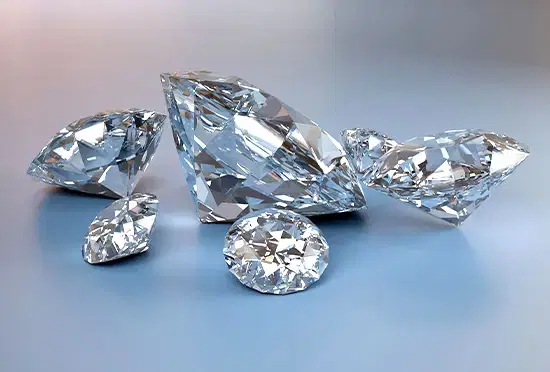
Diamonds are often regarded as the pinnacle of natural beauty and human achievement, holding both cultural and industrial significance. While they are most commonly associated with luxury and romance, diamonds are also integral to a variety of industries, pushing the boundaries of innovation and technology. From their incredible geological formation to their modern applications, 鑽石手鍊 s offer a remarkable journey through nature, history, and science. This article explores the multifaceted allure of diamonds, their impact on industry, and the ethical considerations shaping their future.

1. How Diamonds Form: Nature’s Pressure Cooker

The creation of diamonds is a geological process that occurs under some of the most extreme conditions on Earth. Deep within the Earth’s mantle, typically between 90 and 120 miles beneath the surface, carbon atoms undergo extreme pressure and temperatures—reaching up to 2,500 degrees Fahrenheit (1,400 degrees Celsius)—to crystallize into diamond’s unique structure. This transformation takes millions, sometimes billions, of years, making diamonds some of the oldest objects on Earth.

Diamonds are then carried to the surface through volcanic eruptions that force magma upwards through kimberlite pipes, narrow conduits that contain diamonds. Once at the surface, diamonds are extracted, polished, and cut to reveal their remarkable brilliance. Each diamond is a product of immense natural forces, and the time it takes for these gems to form adds to their mystique and appeal.

2. Diamonds in History: A Symbol of Power and Eternal Love

Throughout history, diamonds have been considered symbols of wealth, power, and divine favor. The ancient Indian kings and emperors were among the first to mine diamonds, believing they were gifts from the gods. Diamonds were often used in religious ceremonies and were believed to offer protection and strength. The idea that diamonds possessed mystical properties, such as the ability to bring good fortune or healing powers, was widely accepted.

By the time diamonds reached Europe, they became coveted treasures among royalty. During the Middle Ages, they were worn by kings and queens, not only for their beauty but also for their perceived protective qualities. As diamonds became more accessible, they began to symbolize love and commitment, most notably in engagement rings. In 1947, De Beers launched its iconic "A Diamond is Forever" campaign, forever tying diamonds to the notion of everlasting love, which remains a central part of the diamond’s appeal today.

3. The Science Behind the Sparkle: Why Diamonds Shine

Diamonds’ unmatched brilliance is what sets them apart from other gemstones. Their ability to reflect light, creating the characteristic sparkle, is due to their optical properties. The shape of the diamond—the cut—is the most important factor in its brilliance. Diamonds are cut in specific proportions, and the facets are arranged in such a way that light enters the stone, reflects off the internal surfaces, and exits the diamond in an explosion of color and shine.

Diamonds also excel in clarity, as fewer internal imperfections (inclusions) allow light to pass through more efficiently, enhancing the sparkle. Additionally, diamonds with less color tend to shine more brightly. Carat weight refers to the size of the diamond, and larger diamonds naturally command higher prices due to their rarity. When combined, these four key elements—cut, color, clarity, and carat—determine the overall appearance and value of a diamond.

4. Diamonds in Industry: Beyond Beauty

Diamonds are not just prized for their beauty; their unique properties make them indispensable in a variety of industrial and scientific applications. The hardest naturally occurring material on Earth, diamonds can withstand intense pressure, making them perfect for cutting, grinding, and drilling. Industrial-grade diamonds are used in tools like saw blades, drill bits, and grinding wheels to cut through hard materials like metal, rock, and concrete.

In addition to their use in industrial applications, diamonds are also highly valued in high-tech industries. Their excellent thermal conductivity and electrical insulating properties make them ideal materials for advanced electronics. For instance, diamond-based semiconductors are being developed for use in high-performance computing, where they can dissipate heat efficiently, ensuring the smooth operation of devices under heavy workloads.

In the realm of quantum computing, diamonds are a cutting-edge material due to their unique atomic structure. Diamonds have been identified as promising candidates for quantum bits, or qubits, which could revolutionize computing power by enabling faster and more complex data processing.

5. Ethical Concerns and the Rise of Sustainable Diamonds

As with many precious resources, the diamond industry has faced ethical challenges, particularly surrounding the sourcing of diamonds. Conflict diamonds, also known as blood diamonds, are diamonds mined in war zones and sold to finance armed conflict. The humanitarian concerns surrounding these diamonds, often mined under exploitative labor conditions, have led to the implementation of the Kimberley Process in 2003. This certification system aims to prevent the trade of conflict diamonds by ensuring that diamonds are sourced from conflict-free regions.

However, despite efforts like the Kimberley Process, concerns over ethical sourcing persist. The transparency of the diamond supply chain is a key issue, as it is often difficult to trace the origins of diamonds and ensure they are mined in fair, environmentally responsible ways. This has led to a growing demand for ethically sourced diamonds, with more consumers seeking to ensure that their purchases do not contribute to environmental damage or human rights violations.

An alternative to traditionally mined diamonds is the rise of lab-grown diamonds, which have gained popularity for their ethical and environmental benefits. Created in controlled laboratory environments using high-pressure, high-temperature methods, lab-grown diamonds are chemically and physically identical to natural diamonds. They offer a conflict-free, more sustainable option, reducing the environmental impact associated with traditional mining. Additionally, lab-grown diamonds are often more affordable than their natural counterparts, making them an attractive option for consumers who seek an ethical choice without sacrificing quality.

6. The Future of Diamonds: A World of Innovation and Responsibility

The future of diamonds lies in their growing role in both technological innovation and sustainability. As the world becomes more conscientious about environmental and ethical issues, the diamond industry is adapting. Lab-grown diamonds are expected to continue gaining market share, offering a solution to concerns about mining practices and environmental degradation.

On the technological front, diamonds will continue to be explored for their potential in fields such as quantum computing, medical technology, and energy storage. With their remarkable physical properties, diamonds could play a central role in the development of new technologies that revolutionize computing, healthcare, and energy systems.

Moreover, the demand for ethical diamonds is likely to continue rising. Consumers are increasingly aware of the impact their purchases have on the world, and the desire for products that are sustainably sourced and socially responsible is driving change across industries. As the diamond industry embraces these shifts, it will continue to offer beauty and brilliance while aligning with modern values.

Conclusion: Diamonds in a Changing World

Diamonds are much more than just beautiful gemstones. They are natural wonders, forged under immense pressure and heat, and have become symbols of love, power, and eternal commitment. While their role in jewelry remains central, diamonds have become vital in numerous industries, from cutting-edge technology to quantum computing.

As the diamond industry continues to evolve, it faces the challenge of balancing its storied legacy with the demands of modern consumers for sustainability and ethical practices. Lab-grown diamonds and advances in mining technology offer hope for a more responsible future, allowing diamonds to continue shining brightly—both literally and metaphorically—in the years to come.

Whether adorning a piece of jewelry or driving innovations in technology, diamonds will remain a symbol of nature’s brilliance and human ingenuity, representing the unbreakable connection between beauty, strength, and progress.


The Ultimate Guide to Jersey Design: Create the Perfect Jersey for Any OccasionThe Ultimate Guide to Jersey Design: Create the Perfect Jersey for Any Occasion

A well-designed jersey is more than just apparel; it is a representation of team spirit, branding, and identity. Whether for sports teams, esports, corporate branding, or casual wear, an expertly crafted jersey combines style, comfort, and functionality. In this comprehensive guide, we will explore the essential elements of 籃球衫 and how to create a perfect jersey that stands out.

Key Elements of an Effective Jersey Design

1. Identifying the Purpose

Before designing a jersey, it is essential to determine its intended use:

  • Sports Jerseys: Designed for durability, breathability, and flexibility.

  • Esports Jerseys: Emphasize bold graphics and comfort for long gaming sessions.

  • Corporate Jerseys: Used for promotional purposes with branding elements.

  • Casual Wear Jerseys: Focus on stylish designs with comfort in mind.

2. Selecting the Right Fabric

Fabric selection is crucial for comfort, performance, and longevity. Some popular choices include:

  • Polyester: Lightweight, moisture-wicking, and breathable.

  • Mesh Fabric: Provides extra ventilation for active wear.

  • Spandex Mix: Ensures flexibility and mobility.

  • Cotton Blends: Ideal for casual and promotional jerseys.

3. Choosing the Right Colors

Colors play a vital role in conveying emotion and branding:

  • Bold Colors (Red, Black, Blue): Represent strength and aggression.

  • Bright Colors (Yellow, White, Green): Reflect energy and enthusiasm.

  • Monochrome Tones: Offer a sleek and professional look.

  • Contrasting Colors: Enhance readability of text and numbers.

4. Typography and Numbering

Readability and aesthetics must be balanced when selecting fonts and numbering styles:

  • Bold, Legible Fonts: Ensure clarity from a distance.

  • Stylized Fonts: Add uniqueness while maintaining readability.

  • Numbers Placement: Typically at the back, with optional front display.

  • Outlined Fonts: Improve visibility under various lighting conditions.

5. Logo Placement and Branding

Strategic logo placement enhances team recognition and sponsorship value:

  • Front Chest Area: Primary placement for team or brand logos.

  • Sleeves: Ideal for sponsor logos.

  • Back Below the Collar: Subtle yet effective branding position.

  • Watermarks or Sublimated Logos: Modern designs for a sleek look.

Jersey Printing Techniques

1. Sublimation Printing

  • Offers vibrant and long-lasting colors.

  • Designs are infused into the fabric, preventing cracking or fading.

  • Ideal for intricate, multi-color patterns.

2. Screen Printing

  • Best suited for bold, single-color graphics.

  • Cost-effective for bulk production.

  • May crack or fade over time with frequent washing.

3. Heat Transfer Vinyl (HTV)

  • Perfect for one-off customizations.

  • Works well for adding names and numbers.

  • Limited in color layering but highly durable.

Customization for Teams and Individuals

1. Personalized Elements

Adding custom names, numbers, and patches creates a sense of uniqueness. Options include:

  • Embroidered Patches: High-quality branding for professional teams.

  • Heat-Pressed Vinyl: Budget-friendly personalization.

  • Sublimated Graphics: Long-lasting and detailed customization.

2. Finding the Perfect Fit

  • Athletic Fit: Designed for enhanced mobility and performance.

  • Relaxed Fit: Ideal for casual and corporate wear.

  • Compression Fit: Provides muscle support and improved circulation.

Latest Trends in Jersey Design (2025)

1. Minimalist and Modern Styles

  • Sleek designs with subtle textures and clean lines.

  • Use of matte and gloss contrasts for a premium feel.

2. Sustainable and Eco-Friendly Jerseys

  • Made from recycled polyester and organic materials.

  • Growing demand for eco-conscious production processes.

3. Retro and Throwback Designs

  • Revival of classic jerseys from the 80s and 90s.

  • Bold color combinations with vintage typography.

4. Smart Jerseys with Integrated Technology

  • Moisture-wicking and temperature control fabrics.

  • RFID chips for fan engagement and authentication.

Ordering Custom Jerseys: Best Practices

1. Choosing a Reliable Manufacturer

Selecting the right manufacturer ensures high-quality production. Consider:

  • Fabric quality and printing techniques.

  • Customization options and flexibility.

  • Turnaround time and pricing.

  • Customer reviews and testimonials.

2. Bulk Orders vs. Individual Orders

  • Bulk Orders: Cost-effective for teams, businesses, and events.

  • Single Orders: Perfect for personalized or limited-edition jerseys.

3. Getting the Right Size

  • Refer to the manufacturer’s sizing chart.

  • Order a sample to check material and fit.

  • Ensure flexibility and comfort for prolonged wear.

Conclusion

An expertly crafted jersey design combines aesthetics, comfort, and functionality to create a lasting impression. Whether designing for sports, esports, corporate branding, or casual wear, focusing on fabric, typography, branding, and printing techniques ensures the perfect outcome.