
Category: Business

The Importance of Ethics in Marketing: Building Trust in a World of ChoicesThe Importance of Ethics in Marketing: Building Trust in a World of Choices

The Importance of Ethics in Marketing is everywhere—it shapes the way we think, influences what we buy, and even impacts the way we see the world. But with such power comes responsibility. In today’s competitive landscape, ethical marketing isn’t just a nice-to-have; it’s a must-have. Why? Because people crave authenticity, honesty, and brands they can trust.

Let’s explore why ethics in marketing is essential and how it can elevate your brand while creating a positive impact on the world.

1. Building Trust with Your Audience: Imagine walking into a store where the salesperson is overly pushy or promises things they can’t deliver. Would you go back? Probably not. The same applies to marketing. Misleading claims, hidden fees, or exaggerated benefits might get you a quick sale, but they won’t build long-term trust.

Ethical marketing ensures that your audience knows exactly what they’re getting. Whether it’s being transparent about product ingredients, pricing, or delivery timelines, honesty builds credibility—and credibility leads to loyalty.

2. Standing Out in a Crowded Market: Let’s face it: consumers are spoiled for choice. No matter what you’re selling, there’s a competitor out there offering something similar. What sets you apart? Your values.

Brands that prioritize ethics send a clear message—they care about more than just profit. Companies like Patagonia or Ben & Jerry’s have built empires by aligning their marketing with their values, whether it’s sustainability or social justice. People love to support businesses that reflect their own beliefs and stand for something meaningful.

3. Avoiding Legal and PR Nightmares: We’ve all seen stories of brands that were called out for unethical practices—false advertising, cultural appropriation, or greenwashing. The result? Public outrage, lawsuits, and irreparable damage to their reputation.

By sticking to ethical marketing practices, you can avoid these pitfalls. Being transparent, respecting cultural differences, and ensuring your campaigns are inclusive can save you from costly mistakes that could harm your brand.

4. Ethics Drives Word-of-Mouth Marketing: People love sharing positive experiences. When your marketing practices are ethical, customers feel good about supporting you—and they’re more likely to tell their friends.

For instance, if your company donates a portion of profits to a good cause or uses sustainable packaging, customers will share that story. In an age where social media amplifies everything, ethical behavior can be a powerful tool for organic growth.

5. Creating a Positive Workplace Culture: Ethics in marketing doesn’t just affect your customers—it impacts your team too. Employees are proud to work for companies that do the right thing. When your marketing aligns with ethical values, it fosters a sense of purpose within your organization.

This leads to higher employee satisfaction, better teamwork, and ultimately a stronger brand. After all, happy employees make for happy customers.

6. The Ripple Effect of Doing Good: When you practice ethical marketing, the impact goes beyond your business. You set an example for your industry, inspire competitors to follow suit, and contribute to a culture of honesty and responsibility.

Think about it: when businesses prioritize ethical practices, they create a ripple effect that benefits society as a whole.

Final Thoughts: Ethics as a Competitive AdvantageIn today’s world, consumers are smarter and more conscious than ever. They know when they’re being misled, and they won’t hesitate to call it out. Ethical marketing isn’t just about avoiding bad press—it’s about building meaningful relationships with your audience.

By being honest, transparent, and responsible in your marketing practices, you not only build a strong brand but also contribute to a better, more trustworthy world. And let’s be real—doing the right thing just feels good.

So, the next time you plan a marketing campaign, remember: ethics aren’t a limitation—they’re your greatest advantage.

How to Choose a Reliable Affiliate Tax Accountant and Understand the CostsHow to Choose a Reliable Affiliate Tax Accountant and Understand the Costs

If you work in affiliate marketing, managing your taxes can be challenging. This is where an Affiliate Tax Accountant can help. They specialize in understanding the financial needs of affiliate marketers, ensuring your taxes are handled accurately and efficiently. Here’s a guide to help you find a reliable accountant and understand what to expect in terms of cost.

Why Do Affiliate Marketers Need a Specialized Accountant?

Affiliate marketing involves unique financial elements like commissions, online transactions, and cross-border payments. A general accountant might not be familiar with these specifics, but an アフィリエイト税理士has the expertise to manage them. They can ensure you comply with tax laws, maximize deductions, and save money in the long run.

Key Qualities of a Reliable Affiliate Tax Accountant

When choosing a tax accountant, it's important to consider the following qualities:

1. Experience in Affiliate Marketing

Look for an accountant who understands the affiliate industry. Their knowledge will help them address unique tax issues, such as managing multiple income streams or international payments.

2. Up-to-Date Tax Knowledge

Tax laws change frequently. A reliable Affiliate Tax Accountant stays updated on the latest regulations to keep your finances compliant and optimized.

3. Transparency and Communication

A trustworthy accountant will explain your tax situation in simple terms. They’ll also provide clear information about fees and services.

4. Positive Client Reviews

Check reviews or ask for references to learn about the accountant’s reputation. A professional with good reviews from other affiliate marketers is a strong candidate.

Average Cost of Hiring an Affiliate Tax Accountant

The cost of hiring an accountant varies based on the services you need and the complexity of your finances. For affiliate marketers, the average fees can range from:

  • $300 to $500 for basic services: This includes filing simple tax returns.
  • $1,000 or more for advanced services: If you need advice on deductions, international taxes, or audits, the cost will be higher.

Investing in a specialized Affiliate Tax Accountant is often worth it. They can save you money by identifying tax-saving opportunities that general accountants might miss.

How to Get Started

  1. Research Your Options: Search online for accountants specializing in affiliate marketing.
  2. Schedule Consultations: Many accountants offer free initial meetings to discuss your needs.
  3. Compare Services and Fees: Choose an accountant who offers the best combination of expertise and affordability.

Final Thoughts

Working with an Affiliate Tax Accountant can simplify your financial management and give you peace of mind. By choosing a reliable professional with experience in affiliate marketing, you’ll not only save time but also ensure your taxes are handled correctly. Take the time to research and find the right accountant to support your business.

The Necessary Guide To Must-have Baby ProductsThe Necessary Guide To Must-have Baby Products

Becoming a new raise is both a delicious and discouraging experience. It often comes with an irresistible earthly concern of choices, especially when it comes to www.littlebaby.com.sg/collections/nuna-baby-singapore . From strollers to diapers, baby wear to toys, now’s commercialize is flooded with a wide range of products premeditated to to every baby’s need. This article provides an necessary guide on must-have baby products for new parents.

Firstly, one cannot overlook the necessary of a baby ambler. A good saunterer should be jackanapes, long-wearing, and easy to guide. Also, it is material to consider factors such as safety harness, decumbent positions, and ease of folding before qualification your option. It provides convenience and freedom for parents, allowing them to take their babies out for a saunter, shopping, or even jogging.

Baby car seating room are another must-have product to see your baby’s safety while traveling. These car seating area are particularly designed to protect babies from combat injury in case of car accidents. They come in a straddle of styles and designs, catering to different ages and weights. It’s necessity that parents take a car seat that is not only wide but also meets safety standards.

Next on the list is baby wearable. Ensuring your baby is dressed appropriately for the brave out is key in maintaining their console and health. Look out for soft, breathable fabrics like cotton which are lenify on a baby’s medium skin. Also, opt for vesture that is easy to put on and take off, such as outfits with snap buttons or wide necks.

Diapers are a life-sustaining baby production that parents need to invest in. Diapers can either be disposable or textile-based. While disposable diapers offer solace and are convenient, fabric diapers are eco-friendly and cost-effective in the long run. Whichever you choose, assure their size is for your child to prevent leaks and assure console.

Lastly, baby toys can greatly aid the increase and development of your child. They not only toy with them but also stir their senses, motor skills, and psychological feature abilities. Opt for toys that are safe, non-toxic, and age-appropriate, investment in toys that encourage learnedness and .

In ending, while the wide range of baby products available can be overpowering, it is essential to take items that prioritise your baby’s safety, console, and development. Keep in mind that every baby is unique and thus, their needs may vary. It’s always best to select products supported on your own baby’s needs, prioritizing their well-being above all.

How Road Safety Products Can Save Lives on the RoadHow Road Safety Products Can Save Lives on the Road

Road safety is a critical aspect of modern transportation, and its importance cannot be overstated. As road networks expand and vehicle usage grows, the need for effective road safety products becomes paramount. These products are not merely tools; they are lifesavers that protect drivers, pedestrians, and all road users. This article delves into the world of road safety products, exploring their types, benefits, and significance in creating safer roadways. marine products supplier.


The Importance of Road Safety Products

Road safety products are designed to prevent accidents, minimize injuries, and safeguard lives. They are integral to traffic management systems and contribute to smoother, safer transportation experiences. From simple reflective tapes to advanced electronic systems, these products address a range of safety concerns.

Key Objectives of Road Safety Products

  1. Accident Prevention: Reducing the likelihood of collisions by alerting drivers and pedestrians to potential hazards.
  2. Traffic Regulation: Managing vehicle flow to prevent congestion and chaos.
  3. Injury Reduction: Mitigating the impact of accidents through protective barriers and cushioning.
  4. Awareness Promotion: Enhancing visibility and communication to ensure all road users understand and comply with safety rules.


Types of Road Safety Products

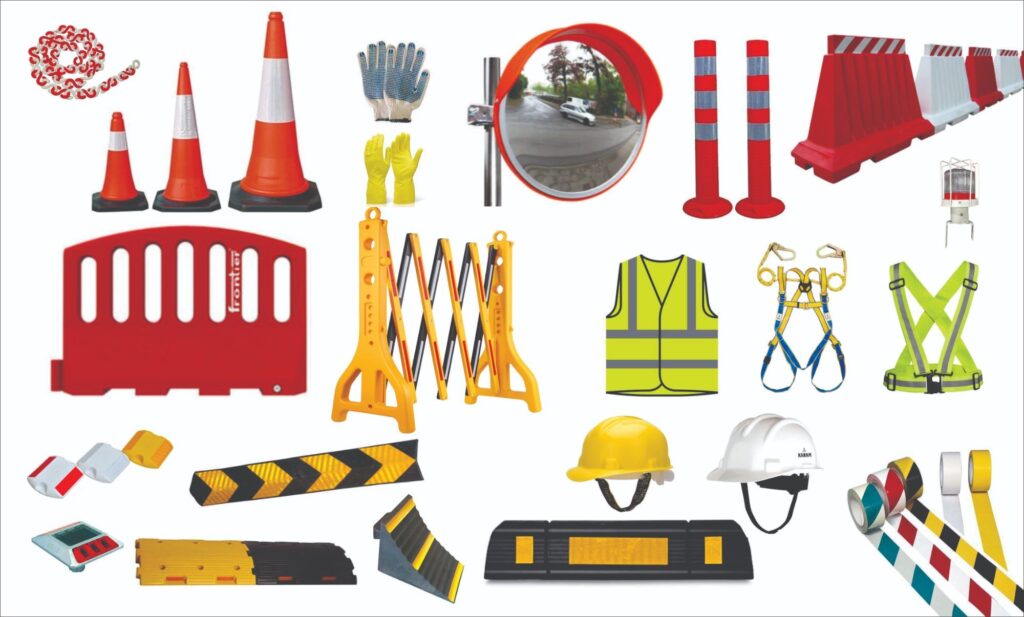
Road safety products encompass a diverse range of items, each serving a unique purpose. Here’s an in-depth look at some essential categories:

1. Road Markings and Signage

  • Traffic Signs: These include stop signs, speed limit signs, and directional boards that guide drivers.
  • Pavement Markings: Painted lines and symbols on roads that help in lane demarcation, pedestrian crossings, and parking spaces.
  • Reflective Signboards: Equipped with high-visibility materials for better readability during low-light conditions.

2. Barriers and Crash Cushions

  • Guardrails: Metal barriers along highways to prevent vehicles from veering off the road.
  • Crash Cushions: Absorb the impact of collisions and minimize injuries.
  • Concrete Barriers: Used in high-speed zones to separate opposing traffic lanes.

3. Traffic Management Devices

  • Cones and Bollards: Used for lane closures, diversions, or work zones.
  • Speed Bumps and Humps: Installed to slow down vehicles in residential or school areas.
  • Road Studs (Cat’s Eyes): Embedded on roads to reflect light, enhancing lane visibility at night.

4. Pedestrian Safety Tools

  • Zebra Crossings: Marked areas for pedestrians to cross safely.
  • Pedestrian Barriers: Fencing that prevents jaywalking and directs pedestrians to safe crossing points.
  • Flashing Beacons: Alerts drivers to pedestrian zones or crossings.

5. Vehicle Safety Enhancements

  • Reflectors and Stickers: Improve visibility of vehicles, especially at night.
  • Anti-Skid Paints: Applied on roads to reduce slipping hazards.
  • Road Flares: Used during vehicle breakdowns to warn other drivers.

6. Technological Innovations

  • Intelligent Traffic Signals: Sensors that adapt traffic light timings based on real-time vehicle flow.
  • Speed Cameras: Monitor and deter speeding vehicles.
  • Advanced Driver Assistance Systems (ADAS): Features like collision warnings, lane-keeping assist, and automatic braking.


Benefits of Implementing Road Safety Products

1. Reducing Accidents and Fatalities

Effective road safety products significantly lower the risk of accidents. For instance, speed bumps reduce vehicular speed, and crash barriers prevent severe collisions on highways.

2. Enhancing Road User Awareness

Reflective signs and markings improve awareness, ensuring drivers and pedestrians are alert to hazards, speed limits, and road conditions.

3. Cost-Effectiveness

Though an upfront investment, road safety products save money by reducing medical expenses, vehicle repairs, and infrastructure damage caused by accidents.

4. Environmental Benefits

Traffic management devices reduce fuel consumption and emissions by minimizing congestion and enabling smoother traffic flow.

5. Promoting Sustainable Development

Well-implemented road safety measures enhance connectivity and contribute to safer, more livable communities, aligning with global sustainable development goals.


Choosing the Right Road Safety Products

1. Understand Local Requirements

Different regions have varying traffic rules and infrastructure needs. Products should comply with local regulations and standards.

2. Consider Durability and Quality

Investing in high-quality, weather-resistant products ensures long-term functionality and safety.

3. Prioritize Visibility and Clarity

High-visibility materials, like reflective paints and LED-based devices, are crucial for nighttime and low-visibility conditions.

4. Opt for Technological Upgrades

Innovative products like solar-powered signs and smart traffic management systems enhance efficiency while being eco-friendly.


Case Studies: Real-World Impact of Road Safety Products

1. Crash Barriers on Mountain Roads

In hilly regions, guardrails have drastically reduced fatalities by preventing vehicles from plunging into valleys.

2. Pedestrian Zones in Urban Areas

Cities implementing pedestrian crossings with flashing beacons have observed a 40% reduction in pedestrian accidents.

3. Intelligent Traffic Signals

Metropolitan areas using adaptive traffic lights report a 20% decrease in congestion and a 15% reduction in accidents at intersections.


Future Trends in Road Safety Products

As technology evolves, the road safety sector is witnessing innovative advancements:

  1. Smart Highways: Roads equipped with sensors that monitor traffic, weather, and road conditions in real time.
  2. Connected Vehicles: Cars that communicate with infrastructure to prevent collisions and improve traffic flow.
  3. Eco-Friendly Materials: Biodegradable road studs and solar-powered signage are gaining popularity.
  4. Augmented Reality (AR): AR navigation systems that project real-time safety alerts onto windshields.


Challenges in Implementing Road Safety Products

  1. Cost Constraints: High initial investment deters adoption, especially in developing regions.
  2. Maintenance Requirements: Regular upkeep is necessary to ensure product effectiveness.
  3. Lack of Awareness: Many road users underestimate the importance of safety measures, leading to non-compliance.


Conclusion

Road safety products are indispensable for reducing accidents, saving lives, and fostering efficient traffic systems. Whether through basic tools like road signs or advanced systems like intelligent traffic signals, their role in creating safer roadways cannot be overlooked.

Investing in road safety products is not just a responsibility of governments and organizations but also an essential step toward a more secure and sustainable future. By prioritizing safety on our roads, we pave the way for a world where mobility is both efficient and risk-free.


Affordable and Chic Ramadan Table Decoration TipsAffordable and Chic Ramadan Table Decoration Tips

Ramadan, a sacred month of fasting, reflection, and togetherness for Muslims worldwide, culminates each day with Iftar—the breaking of the fast. It’s not just a meal; it’s a celebration of community, gratitude, and spiritual renewal. To enhance the beauty of this cherished moment, setting a Ramadan-themed table can create an inviting and reflective atmosphere. With thoughtful decor, your Ramadan table can be a harmonious blend of tradition, elegance, and personal creativity. Name plaque.

1. Understanding the Essence of Ramadan Table Decor

Decorating for Ramadan isn’t just about aesthetics; it’s about creating an ambiance that reflects the spirit of the month. A Ramadan table should:

  • Celebrate tradition and culture.
  • Be functional, facilitating a comfortable Iftar experience.
  • Include elements symbolizing spirituality, such as crescent moons, stars, and lanterns.

Keeping these elements in mind ensures your table decor aligns with the occasion's significance.


2. Choosing a Theme for Your Ramadan Table

Your table’s theme sets the tone for the evening. Here are some popular ideas:

a. Traditional Elegance

Opt for intricate Islamic patterns, earthy tones like gold, emerald, and maroon, and use authentic materials such as brass, wood, and ceramic.

b. Modern Minimalism

Use muted tones like beige, white, and gray with clean lines and subtle decorations. A simple crescent moon centerpiece can complete the look.

c. Festive Glamor

Bright colors, fairy lights, and glittery accessories create a vibrant, celebratory atmosphere. Perfect for larger family gatherings or community events.


3. Essential Elements of a Ramadan Table

a. Tablecloths and Runners

Start with a tablecloth as your base. For a Ramadan vibe:

  • Choose fabrics like linen or satin with Islamic geometric patterns.
  • Add a runner featuring crescent moons, stars, or lantern designs.
  • Layer with contrasting colors for a dynamic effect.

b. Centerpieces that Shine

The centerpiece is the focal point of your table. Ideas include:

  • Lanterns: Iconic symbols of Ramadan, lanterns (fanoos) in gold or silver, filled with candles or fairy lights, add warmth.
  • Floral Arrangements: Combine fresh flowers with crescent moon or star accents.
  • Date Displays: Use elegant glass bowls or wooden trays to hold dates, a staple for breaking the fast.

c. Tableware with Purpose

Your plates, glasses, and cutlery should complement your theme. Consider:

  • Ornate gold-rimmed plates for a regal touch.
  • Glassware with Arabic calligraphy or subtle etchings.
  • Napkin rings shaped like crescents or stars.


4. Adding Personalized Touches

Adding personal elements makes the table decor meaningful:

  • Name Cards: Write guests' names in Arabic calligraphy.
  • Handmade Decorations: Origami stars, crescent shapes, or DIY lanterns can involve the whole family in preparations.
  • Goodie Bags: Place small gift bags with dates, prayer beads, or sweets at each guest’s seat.


5. Incorporating Lighting for Ambiance

Lighting sets the mood for Iftar:

  • Candles: Arrange tea lights or pillar candles along the table for a serene glow.
  • Fairy Lights: Weave LED lights around the centerpiece or along the table edge.
  • Overhead Lighting: Hang decorative lanterns or pendant lights for an ethereal effect.


6. Cultural and Regional Flair

Celebrate your heritage by incorporating regional elements:

  • Middle Eastern Style: Use Moroccan lanterns, Arabian-style coffee pots, and mosaic patterns.
  • South Asian Influence: Add colorful bangles as napkin rings or vibrant tablecloths.
  • Turkish Elegance: Opt for Iznik pottery-inspired designs and tulip motifs.


7. Sustainable and Eco-Friendly Decor

Ramadan encourages mindfulness, including caring for the environment. Use:

  • Reusable Materials: Opt for cloth napkins and ceramic dishes.
  • Natural Elements: Wooden platters, palm leaves, and dried flowers add an organic touch.
  • Recycled Decor: Repurpose mason jars, old fabric, or glass bottles for unique pieces.


8. Child-Friendly Ramadan Table Decor

Involving children in table decoration can make Ramadan more engaging for them:

  • Interactive Centerpieces: Use a calendar-style decoration where children can add a star for each day of fasting.
  • DIY Projects: Let kids craft paper lanterns or paint mason jars for decor.
  • Kid-Safe Decor: Avoid fragile or sharp items if young children are present.


9. Seasonal Inspiration

Adapt your Ramadan table to the season:

  • Spring: Use pastel colors and fresh flowers.
  • Summer: Incorporate vibrant hues and tropical elements.
  • Autumn: Use warm tones like orange and brown, with dried leaves or pumpkin accents.
  • Winter: Add snowflake patterns and cozy textures like velvet or wool.


10. Digital and Modern Enhancements

For tech-savvy hosts:

  • Digital Place Settings: Use small screens or tablets displaying guests’ names and personalized messages.
  • Projection Mapping: Project crescent and star patterns onto the table or walls for a dramatic effect.
  • QR Codes: Include codes leading to Ramadan duas or Iftar recipes on napkin rings or placards.


11. Tips for Hosting a Stress-Free Iftar

While decor is important, balance it with practicality:

  • Plan Ahead: Decide on your theme and gather materials early.
  • Prep the Night Before: Set the table ahead of time to reduce last-minute rush.
  • Keep It Comfortable: Ensure seating arrangements and table spacing are accommodating.


12. The Joy of Community and Sharing

Ramadan is about togetherness. Use your table decor to reflect inclusivity:

  • Multi-Cultural Elements: Blend decorations from various cultures to celebrate diversity.
  • Charitable Gestures: Dedicate part of your decor to raise awareness about local charities or causes.
  • Family Bonding: Involve everyone in the decoration process, fostering unity and shared effort.


Conclusion: Celebrate the Spirit of Ramadan with Creativity

Decorating a Ramadan table is an art that combines tradition, creativity, and personal expression. Whether you prefer understated elegance or a vibrant festivity, your table can embody the beauty and significance of this holy month. By incorporating thoughtful elements, sustainable practices, and family involvement, you can transform your Iftar into an unforgettable experience that resonates with the spirit of Ramadan.

Let your table reflect not just the beauty of the moment but also the deeper values of faith, gratitude, and community.